
A profound summons from the soul’s depths to unite with the divine through melody and rhythm. It transforms sound into an intimate conversation with the eternal, where every note pulses with unspoken longing and ecstatic surrender. This article delves into its essence as a heartfelt invocation, drawing from its timeless traditions and universal resonance.
Origins in Spiritual Yearning
Sufi music arose in the 8th century amid early Islamic mystics in regions like Iraq and Persia, where hearts aflame with love for God sought expression beyond words. Pioneers such as Rabia al-Adawiyya infused simple chants with raw emotion, evolving into sama gatherings that mirrored the heart’s innate rhythm—steady, insistent, divine. These origins reveal music not as artifice, but as the heart’s unfiltered cry echoing the universe’s primal beat.
Rhythms That Stir the Soul
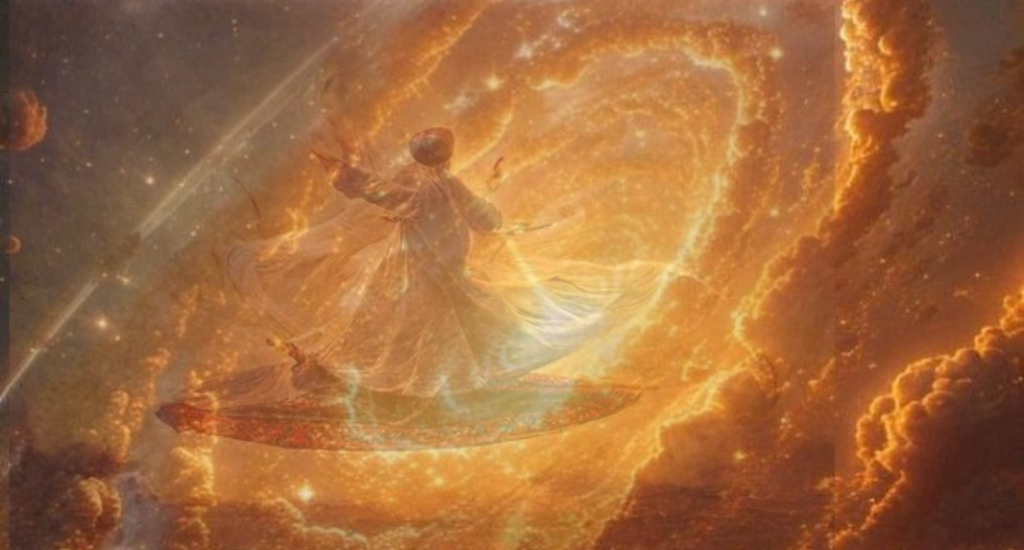
At its core, Sufi music relies on repetitive cycles and improvisational flourishes that mimic the heartbeat’s throb, drawing listeners into trance-like fana, or annihilation of self. Qawwali’s escalating crescendos and handclaps amplify this inner call, while sema ceremonies pair it with whirling to symbolize the heart orbiting its beloved. Such structures uniquely evoke the heart’s dual nature: grounded pulse and boundless expansion.
Instruments as Heartstrings
The ney flute captures the heart’s sigh, its reed-born wail evoking separation from paradise, a sound so vulnerable it pierces the chest. Daf drums resonate like fervent knocks at heaven’s door, their layered beats summoning communal fervor, complemented by the tanbura’s sustaining hum that holds space for emotion’s swell. These tools, humble yet potent, turn the heart’s whispers into symphonies of devotion.
Forms of Heartfelt Expression
Qawwali ignites the heart through passionate South Asian verses by saints like Amir Khusrau, building to ecstatic peaks of unity. Turkish Mevlevi rituals channel it via ayin melodies, where dervishes whirl as the heart spins free. Across gnawa in Africa or ilahi in the Levant, the call remains: poetry of love sung in tongues of the people, making divinity intimately accessible.
Voices That Echo Eternity
Nusrat Fateh Ali Khan embodied the heart’s roar, his Qawwali improvisations unfolding like endless prayers that gripped global souls. Abida Parveen, with her gravelly timbre, voices the feminine heart’s fierce tenderness, bridging tradition and transcendence. Their legacies prove the call’s power to heal divides, inviting all hearts to join the chorus.
Enduring Call in Modern Times
Today, Sufi music’s heart-call counters isolation, fusing with global sounds to infuse pop with soul—think electronic dhikr or jazz-infused kafi. It reminds fragmented lives of interconnected beats, offering solace in chaos and unity in solitude. Ultimately, every Sufi strain affirms: the heart knows the divine melody, needing only to listen.