
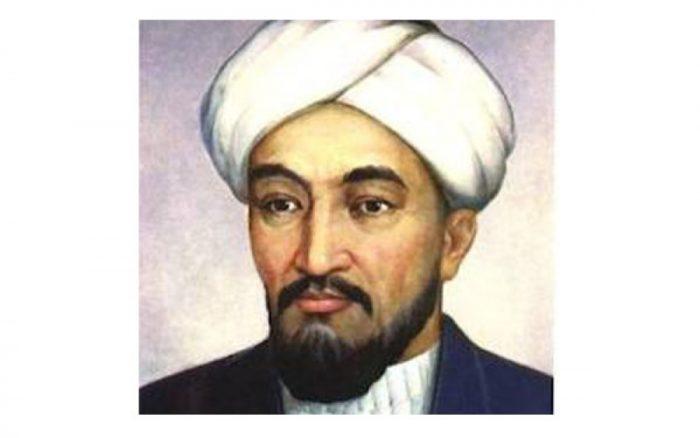
The Definition and Ontological Reality of Philosophy:
In the philosophical treatises of Al-Kindi, philosophy is defined with a comprehensive breadth that encompasses all of existence. Drawing upon the Aristotelian tradition, Al-Kindi identifies philosophy as the “science of everything”, asserting that every inquiry into the nature of things falls under its domain. He elevates the discipline by describing it as the “science of sciences and the wisdom of wisdoms”, suggesting that it is the foundational craft upon which all other human knowledge is built.
The Structural Harmony of Knowledge and the Soul
Al-Kindi posits that the structure of philosophy is not arbitrary but mirrors the dual nature of the human soul. He divides philosophy into two primary branches:
- Theoretical Science (Cognitive): This corresponds to the rational or “thinking” part of the soul, aimed at pure understanding.
- Practical Operation: This corresponds to the sensory part of the soul, focusing on human action and moral conduct.
Within the theoretical realm, knowledge is further classified by its relationship to matter (Hyle). Al-Kindi distinguishes between divine things, which are entirely separate from matter, and artificial things, which are human-made or exist within material constraints.
The Five Essences: The Building Blocks of Reality
To understand the “reality” of the physical world, Al-Kindi emphasizes the study of five essential substances that constitute all corporeal things:
- Matter (Hyle): The primary, formless substance that exists as potentiality.
- Form: The specific quality that allows a thing to be identified and distinguished by reason.
- Motion: The transition between states, which Al-Kindi categorizes into six types, including generation, corruption, and change of place.
- Place (Locus): Defined not as a body itself, but as the manifest surface or “limit” that contains a body.
- Time (Tempore): Defined as the “number of motion,” a continuous duration that connects the “now” to the past and future.
The Ultimate Purpose: From the Physical to the Divine
For Al-Kindi, the study of the natural world is not an end in itself but a pathway to the Divine. The philosopher’s journey begins with the “thick” or “coarse” material substances and ascends toward the “subtle” knowledge of the Creator. By investigating the finitude of the universe—arguing that time, motion, and the world itself are necessarily finite—the philosopher arrives at the necessity of a single, eternal Creator.
Thus, the ultimate goal of philosophy is theological and unity-oriented: to move from the multiplicity of the created world to the knowledge of the “One” (the Creator) and the realization of Truth in its highest form.
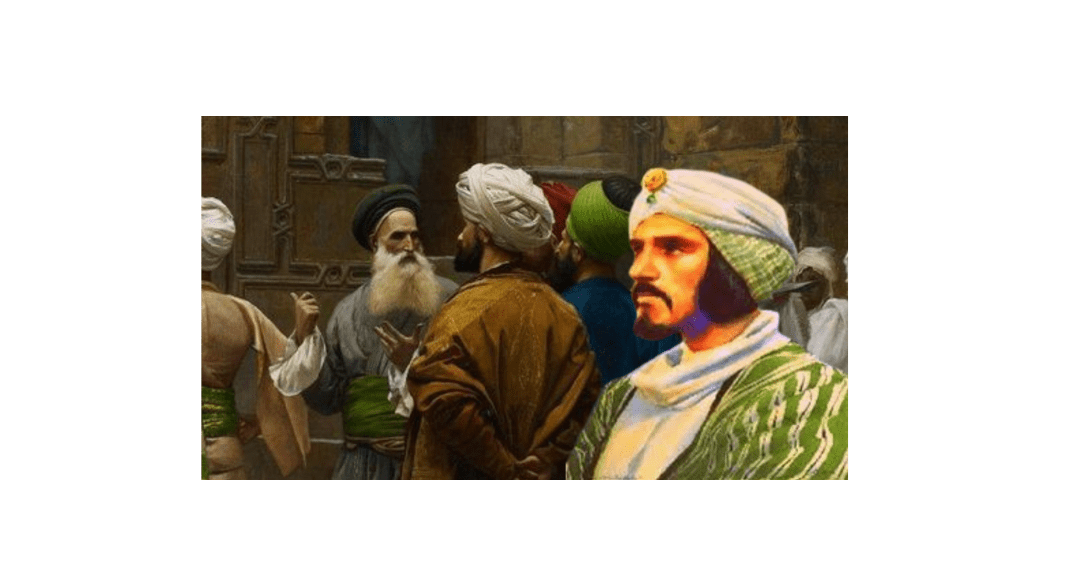
The Goal of Philosophy and Its Relationship with Religion
The Ultimate Goal:
The Ascent to the Divine For Al-Kindi, philosophy is not merely an academic exercise but a transformative journey for the human soul. The primary goal of philosophy is to attain knowledge of the “One” (the Creator) and the “Divine things”. While the journey begins with the study of the physical world—moving through material substances like matter and motion—this is simply a “pathway” (semita) to higher understanding.
The sources explain that the philosopher must move from the “coarse” (spisso/thick) material reality to the “subtle” (subtile) spiritual reality. By understanding the finitude of the universe—proving that time, space, and motion cannot be infinite—the philosopher arrives at the rational necessity of a First Cause, which is God. Thus, the “wisdom of wisdoms” culminates in the realization of Divine Unity.
The Symbiosis of Philosophy and Religion
Al-Kindi was a pioneer in demonstrating that reason (philosophy) and revelation (religion) are complementary rather than contradictory. According to the sources, their relationship can be understood through two lenses:
- Unity of Truth: Philosophy and religion both seek the same “Truth.” Philosophy provides rational proofs for the doctrines that religion presents as revealed truths. For instance, the philosophical investigation into the “six types of motion” and the “five essences” serves to glorify the Creator’s design and sovereignty over the created world.
- Acquired vs. Inspired Knowledge: Al-Kindi makes a professional distinction between the two. Philosophical knowledge is “acquired” (science of the soul); it requires human effort, patience, and a gradual progression through the “industry of industries”. In contrast, Prophetic knowledge is “inspired”; it is a gift from God that bypasses human study and arrives at the truth instantaneously and with total clarity.
Despite these different methods, Al-Kindi argues that they meet at the same point: the knowledge of God’s oneness and the morality of the soul. Philosophy, therefore, serves as a handmaid to religion, using logic to defend and clarify the faith against those who misunderstand the nature of existence.
Conclusion:
The Synthesis of Knowledge Ultimately, Al-Kindi views the philosopher as a servant of the Truth. By studying the elements, the celestial spheres, and the laws of nature, the philosopher achieves a state of intellectual and spiritual perfection that aligns perfectly with the messages brought by the prophets.